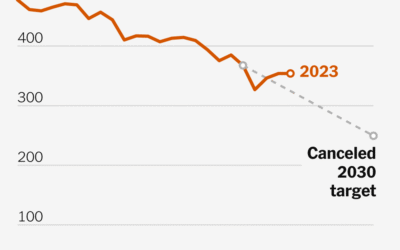
As we journey deeper into the 21st century, the repercussions of our reliance on non-renewable resources become increasingly apparent. Non-renewable resources, which include fossil fuels like coal, oil, and natural gas, have powered our industries and mobilized our economies. However, their finite nature has prompted urgent discussions about sustainability and the environmental crisis.
The Nature of Non-Renewable Resources
Non-renewable resources are those that do not replenish within a human timescale. The extraction of these resources has provided significant energy output, contributing to advancements in technology and infrastructure. Nonetheless, they come at a hefty environmental cost, leading to depletion, pollution, and climate change.
The Environmental Impact
The extraction and burning of fossil fuels contribute to greenhouse gas emissions, which trap heat in the atmosphere and lead to global warming. Natural disasters, rising sea levels, and changes in weather patterns are just a few of the alarming consequences of this warming planet. Additionally, reliance on fossil fuels has led to increased air and water pollution, harming ecosystems and public health.
The Economics of Extraction
While the initial economic benefits of exploiting non-renewable resources are substantial, they are overshadowed by long-term costs. As supplies dwindle, extraction becomes more expensive and environmentally destructive. This economic paradox forces us to consider the viability of fossil fuels versus investing in renewable energy sources, which offer sustainable and cleaner alternatives.
Transitioning to Renewable Energy
The urgent need to transition from non-renewable to renewable energy sources is clearer than ever. Innovations in solar, wind, and hydroelectric power illustrate that a sustainable future is attainable. Governments and businesses are beginning to recognize the importance of reducing carbon footprints and investing in greener technologies.
Conclusion
The era of non-renewable resources is drawing to a close, dictated by both the depletion of these resources and the escalating environmental crises. Understanding this impact is crucial as we navigate a future that prioritizes sustainability. Collective action toward embracing renewable resources is not merely an option; it is a necessity for promoting a healthier planet for generations to come.