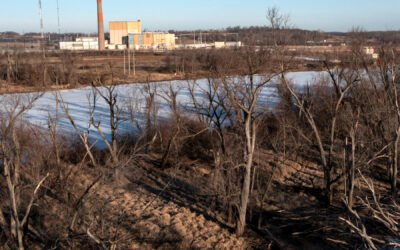
In the quest for progress and economic growth, many communities have welcomed industrial development with open arms. However, as factories and plants sprout up, a shadow follows—the hidden costs of industrial pollution. This article aims to unpack the various implications of these costs on our health, environment, and overall well-being.
The Economic Growth Paradox
While industrial expansion can bring jobs and stimulate local economies, it often comes at a steep price. Communities located near industrial zones frequently face environmental degradation and health issues linked to pollution. This paradox raises an important question: Is the immediate economic benefit worth the long-term hidden costs?
Types of Industrial Pollution
Industrial pollution manifests in several forms, including:
- Air Pollution: Emissions from factories can release harmful particulates and chemicals, such as sulfur dioxide and nitrogen oxides, contributing to respiratory issues.
- Water Pollution: Industrial discharges into local water bodies can contaminate drinking water sources with heavy metals and other toxins.
- Soil Contamination: Hazardous waste can seep into the soil, affecting agriculture and local ecosystems.
Impact on Health
Research has shown a direct correlation between industrial pollution and health problems in communities. Residents near polluted areas have reported:
- Increased rates of asthma and chronic respiratory diseases.
- Higher instances of cancer and other serious illnesses linked to toxic exposure.
- Lower overall quality of life due to environmental stressors.
The Environmental Toll
The environmental impact of industrial pollution is far-reaching. Beyond immediate health concerns, long-term effects include habitat destruction, biodiversity loss, and climate change. The introduction of harmful substances into ecosystems can have cascading effects that disrupt food chains and compromise the integrity of natural resources.
Community Responses and Solutions
In light of these challenges, many communities are banding together to advocate for cleaner practices and regulations. Strategies include:
- Advocacy for policy change: Pushing for stricter regulations to minimize emissions and ensure corporate accountability.
- Community education: Raising awareness about the dangers of industrial pollution and promoting healthy living practices.
- Green initiatives: Supporting projects that focus on sustainable practices, such as renewable energy and waste reduction.
The Path Forward
As we continue to grapple with the consequences of industrial pollution, it is vital to promote sustainable development practices that prioritize community health and environmental stewardship. The hidden costs of progress shouldn’t overshadow the benefits; rather, they should serve as a call to action for responsible growth that safeguards our planet and its inhabitants.