Water is fundamental to life. Yet, millions of people around the world are facing severe water shortages, a crisis that is escalating due to climate change. In this article, we explore the intricate relationship between climate change and water scarcity.
The Global Water Crisis
Currently, over 2 billion people live in countries experiencing high water stress. As populations grow and demand for freshwater increases, the availability of this precious resource is becoming more tenuous. Factors such as rapid urbanization, agricultural demands, and industrial use exacerbate the situation.
Climate Change: The Instigator
Climate change significantly influences water availability through alterations in precipitation patterns, evaporation rates, and the melting of glaciers. These changes manifest in various ways:
- Increased Temperatures: Rising temperatures lead to greater evaporation from land and water bodies, resulting in diminished freshwater supplies.
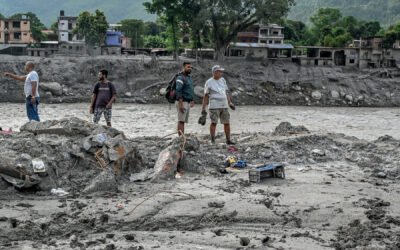
- Changing Rainfall Patterns: Some regions experience heavier rains that lead to floods, while others face prolonged droughts.
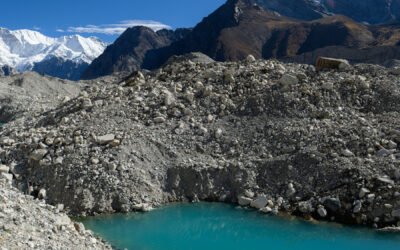
- Glacial Melt: Many communities depend on glaciers for fresh water. As these glaciers retreat due to warming, immediate water supply increases, but long-term availability decreases.
Impact on Ecosystems
Water scarcity due to climate change isn’t just a human issue; it’s an ecological one as well. Altered water availability affects entire ecosystems, leading to biodiversity loss. Aquatic habitats suffer from decreased water levels, while terrestrial wildlife is forced to migrate or adapt to new conditions.
Vulnerable Populations
The impact of water scarcity is disproportionately felt by marginalized communities, especially in developing nations. Lack of access to clean water exacerbates health issues and significantly affects education and economic opportunities for those most in need.
Solutions and Mitigations
While the prospects may seem dire, several strategies can mitigate the effects of climate change on water resources:
- Water Conservation: Encouraging responsible usage of water resources can significantly reduce wastage.
- Infrastructure Improvement: Investing in better irrigation systems and water storage solutions can enhance water usage efficiency.
- Community Engagement: Educating communities on water management is crucial for sustainable practices.
- Policy Change: Governments must implement policies focused on climate resilience, conservation, and equitable water distribution.
Conclusion
Confronting the challenge of water scarcity requires a firm understanding of climate change’s impacts. By taking collective action, from individual conservation efforts to global policies, society can work to ensure that future generations have access to this vital resource.
Further Reading
For more information on this critical issue, consider visiting UN Water for resources and insights.