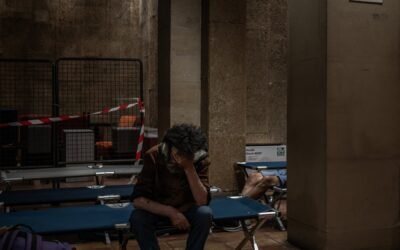
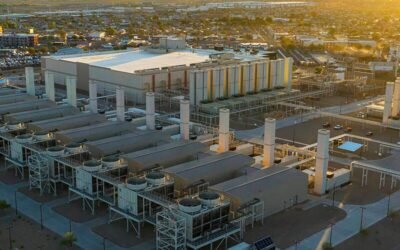
Urban pollution has become one of the most pressing issues in modern society. It is often termed a “silent killer” as its insidious effects on human health and the environment can go unnoticed until it’s too late. This article explores how urban pollution disproportionately affects vulnerable communities, exacerbating existing social and economic inequalities.
The Scope of Urban Pollution
Pollution in urban areas primarily comes from transportation, industrial processes, and waste disposal. Fine particulate matter (PM2.5), nitrogen oxides (NOx), and volatile organic compounds (VOCs) are just a few of the harmful substances that can linger in the air. According to the World Health Organization (WHO), air pollution results in approximately 7 million premature deaths globally each year, with vulnerable populations bearing a disproportionate burden.
Who are the Vulnerable?
Vulnerable communities often include low-income households, children, the elderly, and individuals with pre-existing health conditions. These groups tend to live in areas with higher pollution levels, often due to socio-economic factors and policies that neglect their needs.
Health Implications
Exposure to urban pollution can lead to a myriad of health issues, including respiratory diseases, cardiovascular problems, and developmental disorders in children. For low-income families who may lack adequate healthcare access, these health issues can be particularly devastating. High rates of asthma and other respiratory conditions are commonly reported in polluted urban neighborhoods, further complicating the lives of those living there.
Environmental Justice
Environmental justice seeks to ensure that all communities enjoy equal protection from environmental hazards. Unfortunately, in many urban areas, low-income neighborhoods are disproportionately affected by pollution, making environmental justice a critical concern. Advocacy groups are pushing for policy changes that focus on improving air quality and health outcomes in these marginalized communities.
Community Resilience Initiatives
Some communities are taking action by implementing grassroots initiatives to combat pollution. These efforts include community gardens, tree planting, and campaigns for greener public transportation. By fostering local empowerment, vulnerable communities can build resilience against the adverse effects of urban pollution.
Conclusion
Urban pollution is a silent killer that disproportionately affects vulnerable communities, compounding existing inequities. Tackling this urgent issue requires a collaborative approach involving local governments, advocacy organizations, and community members. By prioritizing the needs of the most affected populations, society can strive for a healthier and more equitable urban environment.
What You Can Do
Every individual can contribute to reducing urban pollution. Support local initiatives, advocate for cleaner transportation alternatives, and educate yourself and others about the harmful effects of pollution. Together, we can create a cleaner, healthier future for all urbanites.