As urbanization continues to rise, the need for sustainable practices in our cities becomes increasingly urgent. Urban sustainability focuses on the integration of environmental protection, economic growth, and social equity in urban planning. This article explores how cities can transform into green economies, promoting sustainability while enhancing the quality of life for their residents.
The Concept of Urban Sustainability
Urban sustainability emphasizes creating a balance between human needs and the health of the environment. It involves:
- Reducing pollution and waste
- Using resources efficiently
- Restoring ecosystems
- Promoting social equity
Strategies for Promoting Urban Sustainability
1. Green Infrastructure
Implementing green roofs, urban gardens, and permeable pavements can significantly reduce urban heat, manage stormwater, and enhance local biodiversity. Such infrastructure not only supports the environment but also provides recreational spaces for residents.
2. Sustainable Transportation
Encouraging public transportation, cycling, and walking can decrease reliance on fossil fuels. Cities like Amsterdam and Copenhagen set examples with their extensive bike lanes and pedestrian-friendly zones, reducing traffic congestion and lowering emissions.
3. Renewable Energy Sources
Cities are increasingly turning to renewable energy sources such as solar, wind, and geothermal power. Initiatives to promote energy efficiency in buildings and public infrastructure can drastically reduce energy consumption and greenhouse gas emissions.
4. Waste Management and Circular Economy
Adopting a circular economy approach can help cities minimize waste. This includes recycling, composting, and reusing materials, which not only conserves resources but also creates economic opportunities in green jobs.
The Role of Community Engagement
For urban sustainability initiatives to be successful, community engagement is crucial. Involving residents in decision-making processes fosters a sense of ownership and responsibility. Initiatives such as local clean-up days, tree planting events, and sustainability workshops can enhance community ties and elevate awareness of environmental issues.
Measuring Success in Urban Sustainability
Effective measurement tools and indicators are essential for assessing sustainability progress. Metrics can include:
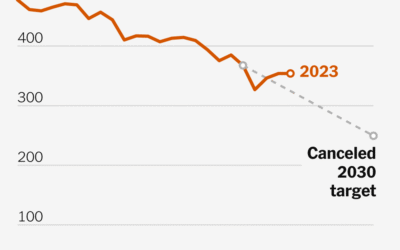
- Reduction in carbon emissions
- Increase in green spaces
- Improved air and water quality
- Enhanced public health outcomes
Conclusion
Transforming cities into green economies is vital for ensuring a sustainable future. By embracing urban sustainability practices, cities can not only improve their environmental impact but also enhance the quality of life for their inhabitants. The journey toward urban sustainability is a collective effort, requiring commitment from governments, businesses, and community members alike.