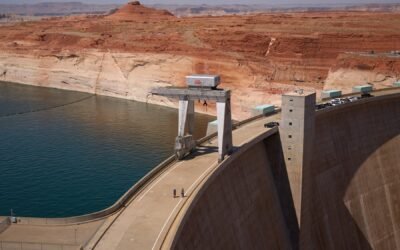
As global populations continue to rise, the demand for food production intensifies, placing enormous pressure on water resources. Sustainable agriculture has emerged as a necessary practice, prioritizing the efficient use of water alongside other resources. This article explores the significance of water management in sustainable agriculture and presents strategies to promote water-wise farming practices.
The Importance of Water Management
Water is a vital resource in agriculture, critical for crop growth, livestock production, and overall ecosystem health. However, with climate change and increasing water scarcity, the agricultural sector must implement effective water management techniques to ensure that farming practices are sustainable in the long term.
Benefits of Sustainable Water Practices
- Increased Efficiency: Efficient water use leads to higher crop yields and reduced waste.
- Cost Savings: Reducing water consumption can lower operational costs for farmers.
- Improved Crop Resilience: Proper water management enhances plants’ ability to withstand drought and other stressors.
- Protection of Ecosystems: Sustainable practices help preserve local water sources and surrounding ecosystems.
Strategies for Water-Wise Farming
Farmers can adopt various strategies to maximize water efficiency and promote sustainability. Below are some recommended practices:
1. Drip Irrigation
Drip irrigation delivers water directly to the plant’s root zone, minimizing evaporation and runoff. This precise method can significantly decrease water usage while ensuring healthy crop growth.
2. Rainwater Harvesting
Collecting and storing rainwater can provide a supplementary water source for irrigation. Rainwater harvesting systems can be integrated into farm management, increasing resilience to fluctuations in water availability.
3. Crop Rotation and Diversification
Implementing crop rotation enhances soil health and reduces the need for synthetic fertilizers, which can contribute to water pollution. Diversifying crops can also optimize water resource utilization across different species.
4. Soil Moisture Monitoring
Utilizing technology to monitor soil moisture levels can help farmers apply water more effectively, preventing over-irrigation and ensuring crops receive optimal hydration.
5. Cover Cropping
Cover crops protect the soil, enhance its moisture retention capacity, and reduce erosion. They also improve soil health and nutrient availability, allowing crops to thrive with less irrigation.
The Future of Water-Wise Agriculture
As we look toward the future, it is essential to embrace sustainable agricultural practices that prioritize water management. Collaboration among farmers, governments, and researchers can help drive innovation and establish policies that support water conservation efforts in agriculture.