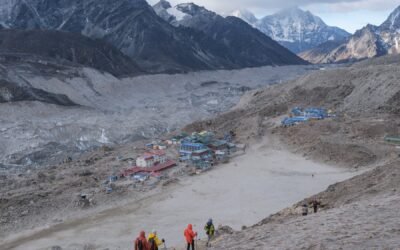
Our planet’s ecosystems are intricate webs of life that support countless species, including humans. However, many of these ecosystems face unprecedented threats that jeopardize their stability and the wildlife that depend on them. Understanding these threats is vital for fostering a sustainable future for both the planet and its inhabitants.
The Fragile Ecosystems
Fragile ecosystems, such as coral reefs, wetlands, grasslands, and tropical forests, play crucial roles in maintaining global biodiversity. They provide habitats for wildlife, aid in carbon sequestration, and support essential ecosystem services such as clean water and air.
Major Threats to Wildlife and Ecosystems
Several interconnected threats pose risks to wildlife and their ecosystems:
- Habitat Loss: Urbanization, deforestation, and agriculture lead to the destruction of vital habitats, pushing species to the brink of extinction.
- Climate Change: Altered precipitation patterns, rising temperatures, and extreme weather events disrupt the delicate balance of ecosystems.
- Pollution: Contamination from plastic, chemicals, and oil spills affects wildlife health and threatens the integrity of ecosystems.
- Invasive Species: Non-native species can outcompete, prey on, or introduce diseases to local wildlife, disrupting established ecological relationships.
- Overexploitation: Unsustainable hunting, fishing, and resource extraction deplete animal populations and degrade habitats.
The Importance of Biodiversity
Biodiversity is crucial for ecosystem resilience. Healthy ecosystems can better withstand and recover from environmental changes. They provide essential services, including food resources, medicinal supplies, and recreational opportunities. Protecting wildlife ensures the sustainability of these ecosystems for future generations.
Conservation Efforts
Efforts to mitigate these threats include:
- Protected Areas: Establishing and maintaining national parks and wildlife reserves help safeguard habitats.
- Restoration Projects: Efforts to restore damaged ecosystems can revitalize wildlife populations and ecosystem functions.
- Sustainable Practices: Advocating for sustainable agriculture, fishing, and forestry reduces the negative impact on ecosystems.
- Education and Advocacy: Raising awareness about wildlife conservation can mobilize communities to take action.
Conclusion
Understanding the threats facing our planet’s ecosystems is the first step towards meaningful action. By supporting conservation initiatives and fostering sustainable practices, we can protect the delicate balance of nature and ensure a thriving planet for both wildlife and humanity. Every action counts, and together, we can make a difference.