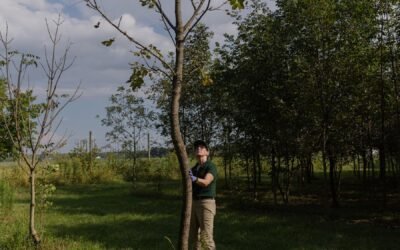
In recent years, youth activism has surged to the forefront of global conversations about environmental challenges. Young leaders, imbued with passion and a sense of urgency, are taking concrete steps to combat climate change, with reforestation being a key area of focus. This article explores how these young activists are making a significant impact on environmental sustainability.
The Importance of Reforestation
Reforestation refers to the process of planting trees in an area where the forest has been depleted. It’s a critical strategy for mitigating climate change, restoring biodiversity, and enhancing ecosystems. Trees play a vital role in absorbing carbon dioxide, thus acting as natural carbon sinks. Furthermore, they help in preventing soil erosion, providing habitat for wildlife, and improving air quality.
Young Voices, Big Actions
Across the globe, youth-led organizations are emerging as powerful catalysts for change. From school clubs to grassroots movements, young activists are uniting to advocate for the environment and implement tangible reforestation projects.
Case Study: The Eden Projects
One exemplary initiative is Eden Projects, which partners with communities in impoverished regions to create jobs through reforestation. Young volunteers play a crucial role in planting trees, raising awareness, and educating their peers about the significance of forests. With every tree planted, they are not only restoring the environment but also empowering their communities.
Innovative Approaches
Younger generations are also leveraging technology to enhance their efforts. Apps that facilitate tree planting, social media campaigns to raise awareness, and online fundraising initiatives are just a few examples of how youth are innovating in the fight against deforestation. These tools make it easier for individuals to get involved and contribute to reforestation efforts.
Overcoming Challenges
Despite their determination, young activists face numerous challenges, including funding deficits, political obstacles, and sometimes a lack of community support. However, resilient youth leaders have adapted by collaborating with local organizations and utilizing platforms that amplify their voices.
The Future of Activism
The global pandemic has also highlighted the need for collaborative approaches to environmental justice. Young leaders are increasingly inviting their peers into the dialogue, leading to an inclusive movement that emphasizes the importance of collective responsibility in tackling climate change.
Conclusion
The leadership shown by youth activists in the realm of reforestation exemplifies the power of grassroots movements. As they continue to challenge the status quo and push for meaningful change, it’s clear that the torch is being passed to a new generation ready to protect our planet. It’s essential for society to support and engage with these young leaders, as they are indeed paving the way for a greener and more sustainable future.
For more information on how to get involved in reforestation initiatives, visit WWF’s Reforestation page.